
Why Kids Need Boredom: The Case for Unstructured Time at Camp
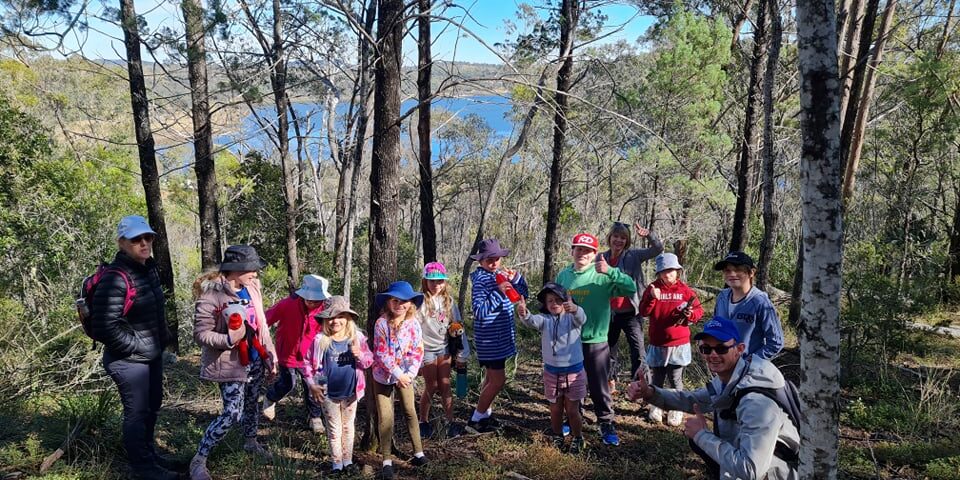
Last summer, I watched a ten-year-old boy sit alone near the lake for almost twenty minutes.
He wasn't doing anything, really. Poking sticks into the mud. Watching water bugs. Skipping stones. Looking up at the trees. To a passing observer, he might have looked bored. Lost. Maybe even lonely.
I kept an eye on him but didn't intervene.
Twenty-five minutes later, that same boy was leading a group of six kids in an elaborate game involving "river monsters," a rescue mission, and rules so complex I couldn't follow them. They played for over an hour. No adult told them what to do. No screen guided the narrative.
The magic happened because no one structured that time for him.




The Over-Scheduled Generation
Today's children have less unstructured time than any generation in history.
Between school, homework, extracurricular activities, organised sports, and screen time, many kids move from one structured activity to the next with barely a breath in between. Their days are optimised. Their time is managed. Their boredom is prevented at all costs.
We do this with good intentions. We want our children to learn, to develop skills, to be safe, to be entertained.
But in eliminating boredom, we've eliminated something essential.
What Boredom Actually Does
Boredom isn't a problem to be solved. It's a doorway.
When children are bored – truly bored, without a screen to rescue them – something remarkable happens. Their brains shift from consumption mode to creation mode. They stop waiting to be entertained and start entertaining themselves.
Research consistently shows that unstructured time builds:
Creativity. When there's nothing to do, children invent things to do. They create games, stories, worlds. They use sticks as swords and mud as treasure. This isn't just play – it's the foundation of creative thinking.
Problem-solving. Without an adult directing activities, children must figure things out themselves. How do we make this fair? What happens if we try this? The skills they develop transfer directly to academic and life challenges.
Social negotiation. Unstructured play with other children requires constant negotiation. Who plays what role? What are the rules? How do we include everyone? These are sophisticated social skills that can't be taught in a worksheet.
Self-regulation. When children manage their own time and emotions without adult intervention, they develop the internal resources to handle frustration, disappointment, and conflict.
Self-knowledge. Quiet, unstructured moments give children space to discover what they actually enjoy – not what they've been told to enjoy or what a screen has chosen for them.
Why Camp is the Perfect Place for Boredom
Most environments in a child's life actively prevent boredom. School is structured. Home has screens. Activities have coaches and instructors.
Camp is different.
At camp, children are removed from their usual entertainment sources. There's no tablet to grab, no TV to switch on, no parent to ask "what should I do?"
This creates a beautiful opportunity – if we're brave enough to use it.
The best camps don't fill every minute with organised activities. They intentionally build in unstructured time: free periods where children can explore, rest, play, or simply sit and think.
What This Looks Like at Camp Cooby
We schedule free time into every camp program. Not as filler between "real" activities, but as a valued part of the experience.
During these periods, you might see children:
- Building cubby houses in the bush
- Sitting quietly by the water, watching birds
- Playing invented games with rules that change every five minutes
- Reading in a hammock
- Having conversations that wouldn't happen during structured activities
- Creating their own ball games with friends
- Doing absolutely nothing – and that's okay too
Our leaders are present but not directive. We ensure safety without controlling the experience. We trust children to fill their own time.
What Parents Can Expect
If your child comes home and says they "did nothing" for an hour, resist the urge to see this as wasted time.
That hour might be the most valuable part of their camp experience.
In that hour, they might have:
- Discovered they enjoy their own company
- Made a friend through spontaneous play
- Invented something entirely original
- Learned to tolerate discomfort without distraction
- Simply rested in a way our busy world rarely allows
These aren't measurable outcomes. They won't appear on a certificate. But they're building something essential in your child – the capacity to be a self-directed, creative, resilient human being.
The Gift of Boredom
We live in a culture that treats boredom as a failure. A gap to be filled. A problem to be solved.
But boredom is actually a gift. It's the space where creativity is born, where self-knowledge develops, where children learn they don't need constant stimulation to be okay.
At camp, we have a rare opportunity to give children this gift. To step back, create safety, and let them discover what emerges when no one tells them what to do next.
The boy by the lake taught me that. Sometimes the most valuable thing we can do for children is... nothing at all.
At Camp Cooby, we believe in giving kids space to discover themselves. See what a Camp Cooby holiday camp looks like or get in touch to learn more.