
School Camp Packing List: What to Bring (And What to Leave at Home)
I'll never forget the student who arrived at camp with a suitcase full of electronics and no closed-toe shoes.
His parents had packed for a holiday. He was coming to camp.
Packing for school camp isn't like packing for a beach trip or a visit to grandma's. The environment is different. The activities are different. And getting it wrong can mean discomfort, missed activities, or a very long three days.
Here's everything you need to know about packing for school camp in Queensland – including a downloadable checklist you can print and tick off.




The Essential Clothing
Queensland weather can be unpredictable, and camp activities are active. Pack for versatility and comfort, not fashion.
Tops:
- 3-4 t-shirts (quick-dry fabrics are ideal)
- 1-2 long-sleeved shirts (for sun protection and cooler evenings)
- 1 warm jumper or fleece (even in summer, evenings can be cool)
Bottoms:
- 2-3 pairs of shorts
- 1-2 pairs of long pants (for bushwalking and evening activities)
- Underwear (one pair per day plus spares)
Footwear:
- Sturdy closed-toe shoes with good grip (essential for most activities)
- A second pair of shoes in case the first get wet
- Thongs or sandals for cabin and shower use only
Weather protection:
- Wide-brimmed hat (essential – no hat often means no outdoor play)
- Rain jacket or poncho (even if the forecast looks clear)
- Warm jacket for winter camps
Sleepwear:
- Pyjamas or comfortable sleep clothes
- Warm socks for sleeping if your child gets cold feet
Swimming:
- Swimsuit (one-piece or rash vest and board shorts recommended)
- Rash vest for sun protection
- Towel (beach towel size)
Sleeping Gear
Most camps provide mattresses but not bedding. Check with your specific camp, but generally you'll need:
- Sleeping bag (appropriate for the season)
- Pillow
- Fitted sheet (optional but makes sleeping bags more comfortable)
- Extra blanket for winter camps
Pro tip: Roll the sleeping bag and pillow together and secure with a strap. It's easier to carry than separate items.
Toiletries
Keep it simple. Camp isn't the place for elaborate grooming routines.
Essentials:
- Toothbrush and toothpaste
- Soap or body wash
- Shampoo (small travel size is fine)
- Deodorant (for older students)
- Hairbrush or comb
- Hair ties (for long hair)
Sun and bug protection:
- Sunscreen SPF 50+ (roll-on or squeeze tube, not aerosol)
- Insect repellent (roll-on or squeeze tube, not aerosol)
- Lip balm with SPF
Note: Most camps don't allow aerosol sprays due to fire risk and respiratory concerns. Check your camp's policy.
Personal Items
- Refillable water bottle (at least 1 litre capacity, labelled)
- Small daypack or backpack for activities
- Torch or headlamp with spare batteries
- Book or journal for quiet time
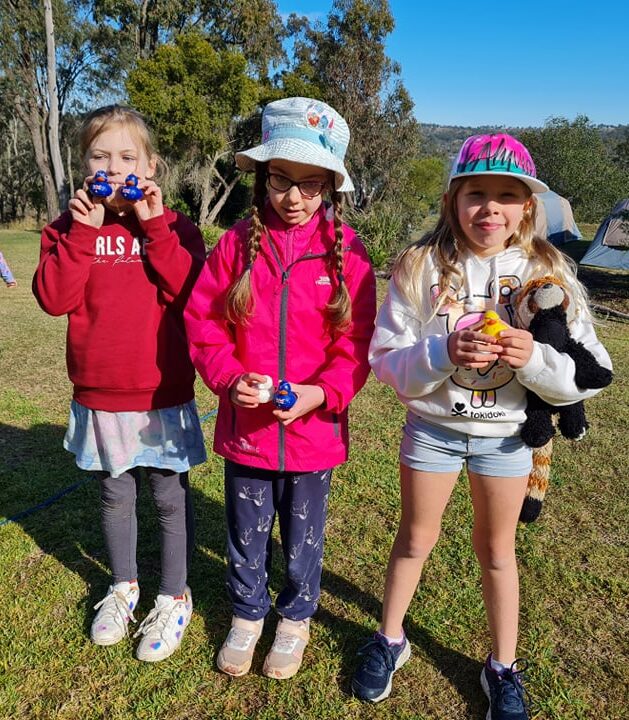
- Small soft toy or comfort item (for younger children – no judgement)
Medical Needs
If your child requires medication:
- All medication in original packaging
- Completed medication form (provided by school or camp)
- Clear written instructions
- Enough supply for the entire camp plus one extra day
Important: Hand all medication directly to camp staff or teachers. Students should not keep medication in their bags or cabins.
For children with allergies:
- EpiPen or antihistamines as prescribed
- Ensure camp and teachers have written allergy management plan
- Consider a medical alert bracelet
What to Leave at Home
This list is just as important as what to bring.
Electronics:
- Mobile phones (most camps don't allow them)
- Tablets and gaming devices
- Smart watches with communication features
- Portable speakers or headphones
Valuables:
- Expensive jewellery
- Large amounts of cash
- Anything you'd be upset to lose or damage
Food:
- Lollies and chocolate (attracts ants and wildlife)
- Chewing gum
- Energy drinks
- Nuts (many camps are nut-free due to allergies)
Other:
- Aerosol sprays of any kind
- Pocket knives or multitools
- Expensive or sentimental items
- Anything that would cause tears if lost
Packing Tips That Make Life Easier
Label everything. Yes, everything. Use a permanent marker or iron-on labels. Include your child's name and school. You'd be amazed how many identical navy blue jumpers exist in the world.
Use a soft bag, not a hard suitcase. Soft duffel bags or large backpacks are easier to store in cabins and carry across uneven ground. Hard suitcases are awkward and take up too much space.
Let your child pack (with supervision). When children pack their own bags, they know where everything is. This builds independence and reduces "I can't find my..." moments.
Pack in outfit bundles. Roll a complete outfit together (shirt, shorts, underwear, socks) so your child can grab one bundle each morning without thinking.
Put dirty clothes somewhere specific. Give your child a plastic bag for dirty laundry. Otherwise, clean and dirty clothes become indistinguishable by day two.
Include a small comfort item. For younger children or anxious first-timers, a small stuffed animal or family photo can help with homesickness. Keep it discreet if your child is self-conscious.
Check the weather forecast. Adjust your packing based on expected conditions, but always include rain gear and a warm layer regardless.
A Note on Overpacking
More is not better.
Children have to manage their own belongings at camp. An overstuffed bag is harder to keep organised, harder to carry, and more likely to result in lost items.
If in doubt, leave it out. Camps are designed to provide what students need. Your child will survive without their fourth-favourite hoodie.
The Night Before
Do a final check together:
- All items labelled?
- Medications packed with forms?
- Water bottle filled?
- Bag zipped and ready by the door?
Then stop fussing. Your child has what they need. A calm evening and good sleep will serve them better than last-minute packing panic.
Download Your Checklist
We've created a printable packing checklist you can stick on the fridge and tick off as you pack.
Heading to Camp Cooby? Our team sends detailed packing information specific to your camp program before arrival. Contact us if you have questions about what to bring.